
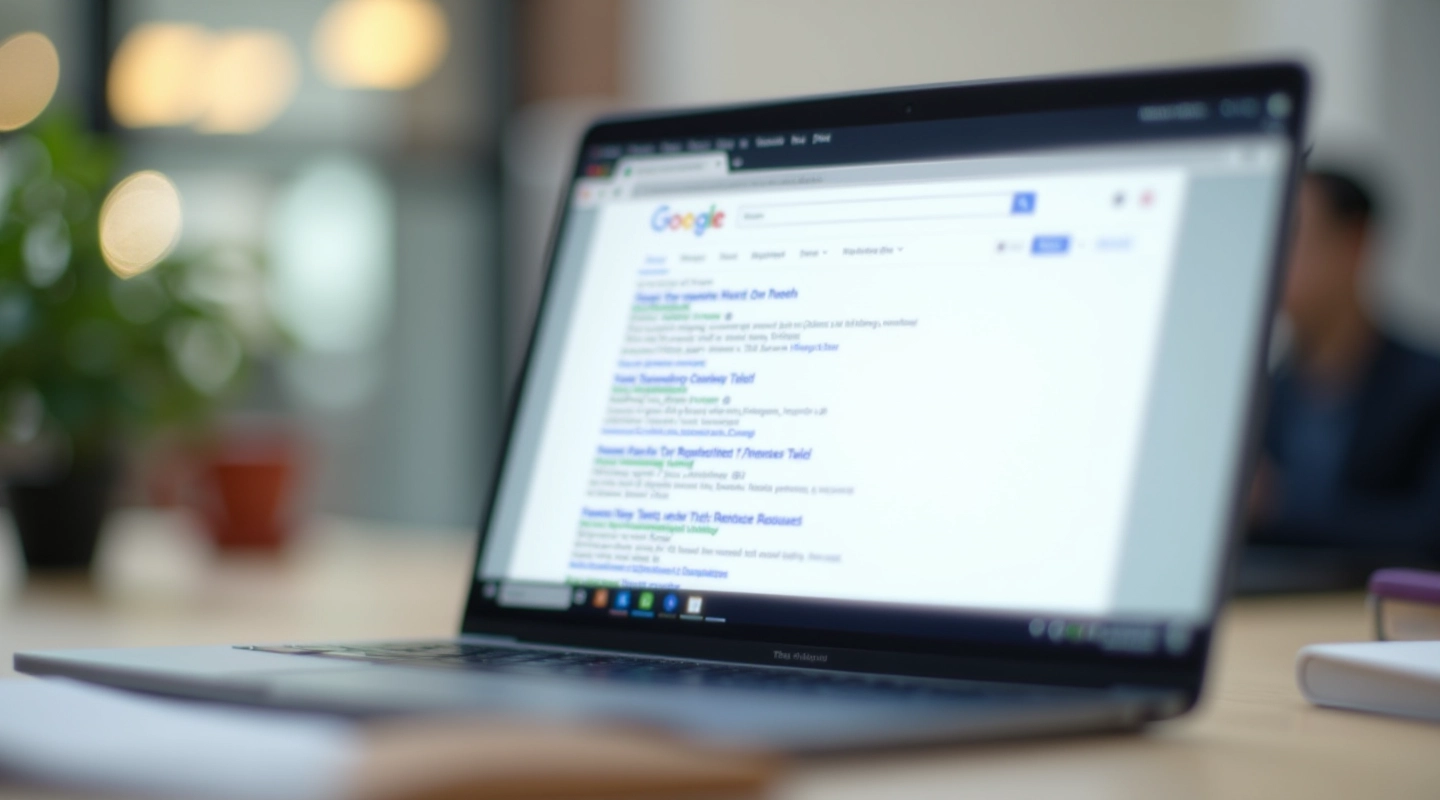
Meta Title and Description Writing: The Complete Beginner's Guide
Learn how to craft meta tags that rank well and get clicked. We'll cover character limits, keyword placement, and why it matters for your Ottawa business.
Written by the Meta Compass editorial team, focused on practical, clear guidance for Ottawa SEO beginners.
Your meta title and description are often the first things people see about your page. They appear in search results, and they're your chance to convince someone to click through to your site instead of your competitors. Yet most people rush through writing them or don't think about them at all.
The good news? It's not complicated. You don't need fancy tools or years of experience. You just need to understand what these tags do, follow a few simple rules, and actually spend a minute thinking about your audience.
What Are Meta Tags and Why Do They Matter?
A meta title is the clickable headline that appears in search results. Your meta description is the short summary below it. They're not just for show — Google uses them to understand what your page is about, and searchers use them to decide if your page is what they're looking for.
Think about the last time you searched for something. You probably scanned a few results before clicking. You weren't reading the full page content — you were reading the title and description. That's the power of these two elements. A good title and description can mean the difference between someone visiting your site or clicking on a competitor's result instead.


The Rules for Meta Titles
Your title should be between 50-60 characters long. That sounds short, but it's enough space to say something meaningful. If it's longer, Google cuts it off with "..." in the search results, and nobody wants to see that.
Put your main keyword near the beginning. Not awkwardly forced in — it should read naturally. If someone's searching for "best plumber in Ottawa," your title should include those words. But "Best Plumber in Ottawa | Expert Services Since 2015" works better than "Ottawa Best Plumber the Best Plumbing."
Make it specific and relevant. Vague titles don't get clicks. Your competitors probably have better titles. Stand out by being clear about what you actually offer. And yes, you can include your brand name at the end if it matters to you, but not at the expense of clarity.
Writing Descriptions That Get Clicked
Your description gets 155-160 characters before Google cuts it off. You're trying to do two things: answer the searcher's question and convince them your page is worth visiting. That's a lot to pack in.
Write in natural language. This isn't the place for keyword stuffing or corporate jargon. You're talking to a real person who just searched for something. "We provide comprehensive digital marketing solutions utilizing data-driven strategies" is awful. "We help Ottawa businesses get found on Google" is honest and clear.
Include Your Main Keyword
The keyword should appear naturally, but it does help with both SEO and readability for searchers.
Answer the Question
If someone's searching for "how to fix a leaky faucet," your description should tell them what they'll learn.
Add a Call-to-Action
Soft CTAs work: "Learn how," "Discover," "Find out why." They encourage clicks without being pushy.
Common Mistakes to Avoid
We've reviewed thousands of meta tags for Ottawa businesses. The same mistakes keep showing up. Duplicating the same title across multiple pages is one of them. Each page on your site deserves its own unique title and description. Google notices when you don't bother.
Another mistake? Writing for search engines instead of people. Yes, keywords matter. But if your title reads like it was written by a robot, people won't click it. Strike a balance. Your title should make sense to a human reader first, and happen to include your keyword second.
Leaving your description blank is also common. Google will generate one automatically from your page content if you don't provide one. But you're letting chance decide what shows up in search results. That's risky. You should be in control.

Putting It All Together
Writing good meta tags doesn't take special talent or expensive tools. It takes a few minutes of thought. For each page on your site, ask yourself: What's this page about? Why would someone search for it? How is my page better than the alternatives? Answer those questions in your title and description, follow the character limits, and you're done.
You'll find that the effort pays off. Better titles and descriptions mean more clicks from search results. More clicks mean more traffic to your site. And more traffic means more opportunities to convert visitors into customers or leads. It's one of the simplest, highest-impact improvements you can make to your website right now.
"Your meta tags are your first impression in search results. Don't leave them to chance."
Important Note
Results vary depending on many factors. Improving your meta tags is one piece of the SEO puzzle. You'll also need quality content, a fast website, and backlinks from other sites. Meta tags alone won't guarantee rankings, but they're an essential foundation that you shouldn't overlook.